


Looking for Shopify store examples that offer more than just good-looking designs? The most successful stores combine strong branding, smooth navigation, clear product value, and thoughtful conversion strategies to create a shopping experience that keeps customers moving toward a purchase. This guide explores 11 standout stores across different industries, with practical ideas that can be adapted to different Shopify businesses.
What makes a good Shopify store?
The best Shopify store examples do not follow one fixed design formula. Their strength comes from how well the storefront meets its target customers’ needs. Several characteristics appear consistently across successful stores:
- Clear brand positioning: The store quickly communicates who it serves and why its products matter.
- Strong mobile performance: Pages load quickly and remain easy to navigate across different devices.
- Effective conversion elements: Product information, pricing, checkout flows, and purchase incentives help reduce unnecessary friction.
- Customer retention strategies: Email, SMS, subscriptions, and loyalty programs give customers more reasons to return.
The strongest stores build these elements around their products and audiences instead of simply copying popular ecommerce trends.

Best Shopify store examples for Fashion and Apparel
1. Gymshark
Gymshark is one of the most recognizable Shopify store examples in the fashion and fitness space. Its success is not only tied to its products and influencer marketing. The technical infrastructure behind the storefront also plays an important role.
The brand uses a headless commerce setup to support large and unpredictable traffic spikes during product launches and major campaigns. This gives the storefront more flexibility and scalability while Shopify continues to handle core ecommerce operations.
For stores that experience major traffic peaks, this is an important lesson. A strong technical foundation can matter more than expanding the product catalog when growth depends heavily on product drops, seasonal demand, or influencer campaigns.
2. SKIMS
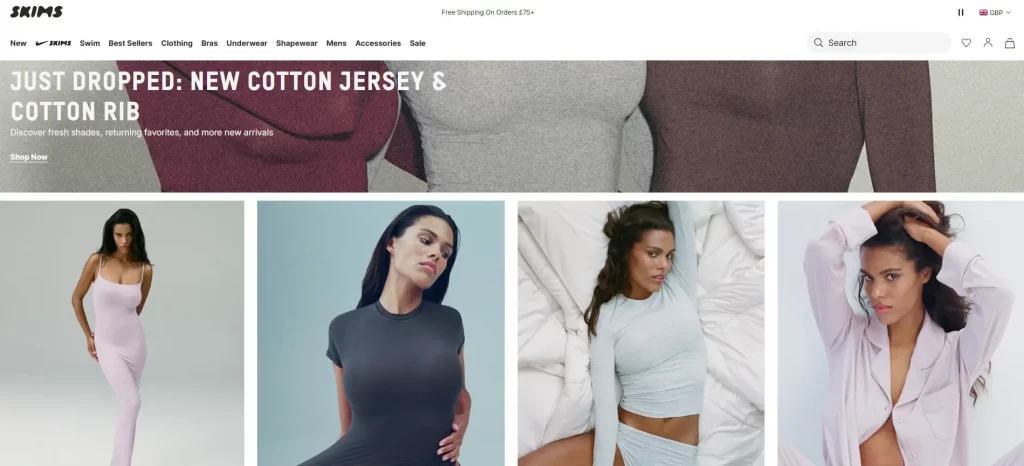
SKIMS combines a clean product experience with scarcity strategies connected to actual product availability. Waitlists and automated email or SMS campaigns help notify customers when products return or new collections become available.
This creates a stronger sense of urgency because the limited availability reflects real inventory instead of relying only on a visual countdown.
For growing brands, the takeaway is simple: scarcity works best when it feels genuine. A real waitlist or limited product availability can create stronger purchase motivation than artificial urgency.

Best Shopify store examples for Footwear
3. Allbirds
Allbirds is known for combining a fast storefront experience with well-structured product pages. Its Shopify setup creates a smooth, app-like shopping experience while keeping important product information easy to scan.
Product pages follow a consistent structure that helps customers understand details such as materials, comfort, and sustainability. The consistent layout also makes it easier to compare products.
The key lesson is that product page structure matters as much as the information itself. A familiar layout reduces the effort required to compare products and helps customers move through the buying process more smoothly.
4. Velasca
Velasca uses storytelling to support its premium pricing. The brand highlights its handcrafted Italian footwear while providing more context about the people and processes behind each product.
Instead of relying only on specifications, the store helps customers understand the value behind the price.
This approach is particularly useful for premium brands. When products have a higher price point, customers often need more context around craftsmanship, materials, quality, and the people involved in making them.


5. Hiut Denim
Hiut Denim takes a similarly focused approach but puts greater emphasis on its brand narrative. The store does not depend on an extensive catalog or frequent promotions. Instead, the experience highlights craftsmanship, quality, and the story behind the people making the products.
As a result, the brand itself becomes an important part of the purchasing decision.
For premium product businesses, a strong narrative can help explain why a product is worth its price. Details about the process, materials, and craftsmanship can become powerful conversion drivers when they are presented clearly.
Best Shopify store examples for Food and Beverage
Many successful food and beverage brands focus on making the value of a small product range immediately clear. Rather than building a large catalog, they create stronger positioning around a specific product or customer need.
6. Magic Spoon
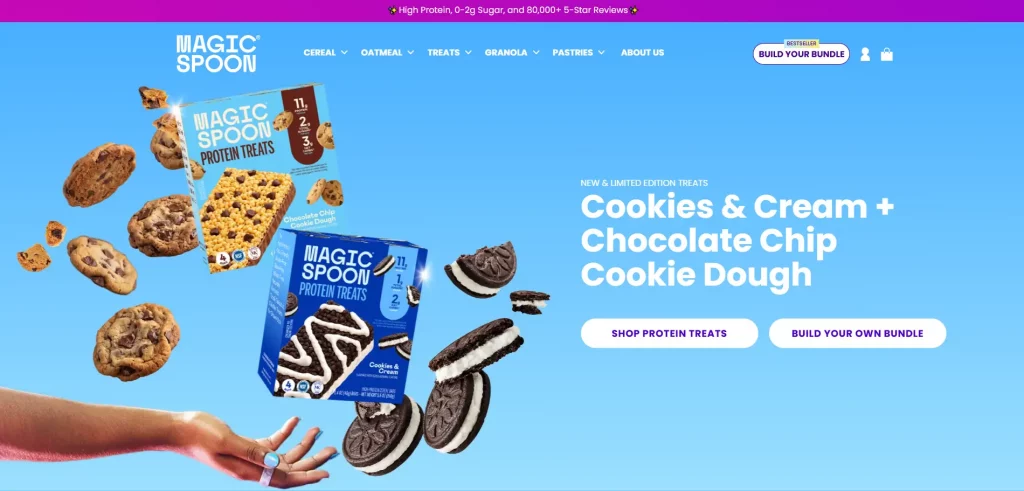
Magic Spoon makes pricing easier to understand by showing the value of each box across different purchase options. Customers can compare individual products, bundles, and subscription offers without having to calculate the value themselves.
Clear pricing is a simple but effective conversion strategy. Showing per-unit value alongside bundle pricing makes comparisons easier and can reduce hesitation during the purchase process.

7. Graza
Graza shows how a focused product range can still create multiple purchase opportunities. Instead of expanding into unrelated products, the brand organizes its olive oils around different cooking purposes.
The store helps customers understand which product fits a particular use case. This keeps the shopping experience simple while creating opportunities for customers to purchase multiple products.
This is a useful approach for stores with a narrow catalog. Clear product differentiation can help increase order value without adding unnecessary complexity.
8. BelliWelli
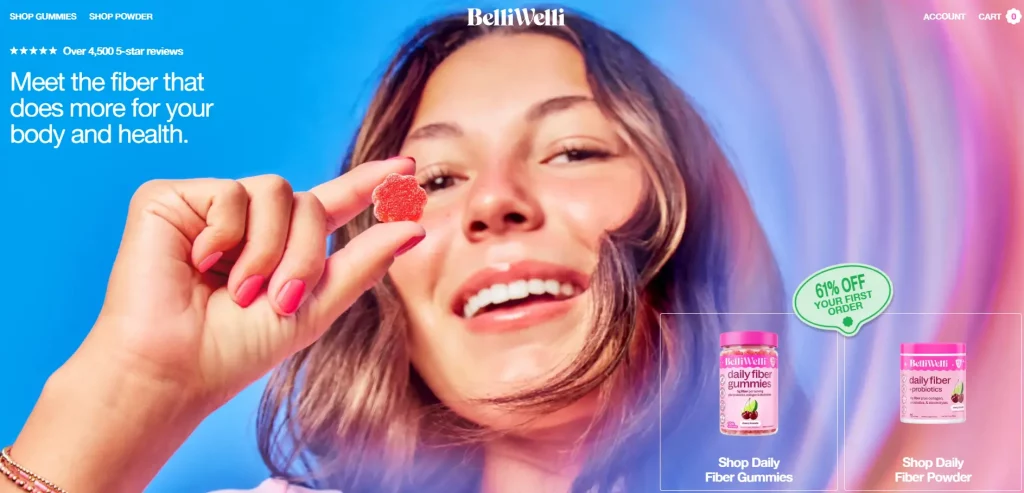
BelliWelli focuses its messaging on a specific customer need and makes relevant trust signals highly visible. Its positioning around gut health is supported by certification and product information that speaks directly to its target audience.
The key lesson is that credibility works best when it connects to the concerns customers actually have. A relevant certification or specific proof point can have more impact than broad claims about product quality.

Best Shopify store examples built around Strong Brand Storytelling
9. Vacation
Vacation stands out by creating a distinctive brand world around a product category that can otherwise be difficult to differentiate. The store carries its retro-inspired identity across product presentation, copy, packaging, and overall brand personality.
The result is a memorable shopping experience that gives customers more than the functional features of sunscreen.
For brands competing in crowded categories, a distinctive identity can become an important competitive advantage. Strong storytelling can create an emotional connection and make the store easier to remember.
Best Shopify store examples for High-Value Products
10. Cowboy
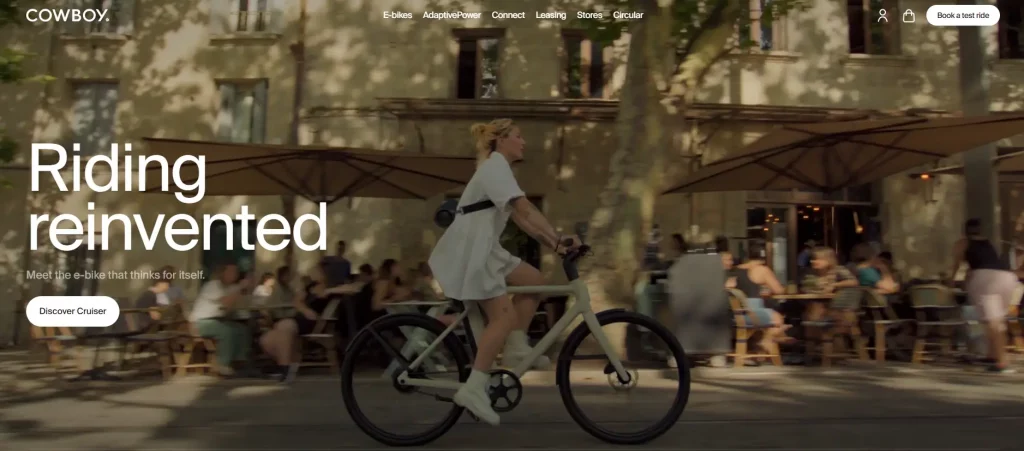
Cowboy sells a high-ticket product that requires more consideration before purchase. Instead of relying only on detailed product information, the brand allows potential customers to book a test ride.
This addresses one of the biggest barriers to buying an expensive or unfamiliar product: uncertainty about the real experience.
The broader lesson applies to many ecommerce businesses. A trial, consultation, fitting, sample, or product demonstration can sometimes reduce hesitation more effectively than adding more sales copy to a product page.

Best Shopify store examples for Digital Products
11. MasterClass
MasterClass faces a different challenge because its product is largely intangible. The value comes from access to educational content and well-known instructors rather than a physical product customers can inspect.
Its storefront uses immersive video, strong visual design, and a cinematic experience to communicate the value of the subscription.
Among these Shopify store examples, MasterClass shows how the shopping experience itself can communicate the value of a digital product. When there is no physical item to display, visual storytelling and content presentation become even more important.
How to apply these ideas to your Shopify store
These Shopify online store examples can provide useful inspiration, but directly copying another brand’s storefront is rarely the best approach. The goal is to understand the strategy behind each example and adapt the right idea to a specific business.
Here are several areas worth reviewing:
- Check mobile speed and Core Web Vitals before adding unnecessary features or apps.
- Make bundle, subscription, and multi-product pricing easier to compare so customers can quickly understand the value of each option.
- Add product stories and behind-the-scenes details when premium pricing requires more context around craftsmanship or quality.
- Use limited inventory and waitlists only when the scarcity is genuine to create meaningful urgency.
- Offer trials, consultations, samples, or demonstrations for products that require more consideration before purchase.
- Organize navigation around customer needs and use cases instead of relying only on internal product categories.
Small improvements in these areas can create a clearer shopping experience and reduce friction at important points in the customer journey.

Conclusion
These Shopify store examples show that a successful ecommerce experience does not depend on following the latest design trends. Strong branding, clear product value, useful storytelling, fast performance, and thoughtful conversion strategies all play a role in helping customers make confident purchase decisions. Even small changes to product pages, pricing, navigation, or customer journeys can make the overall shopping experience clearer and more effective.
For Shopify stores looking for a professional invoice solution that’s easy to customize without any coding, Vify Shopify Order Printer app is worth considering. Try it for free and see how it fits your store’s needs.