


Finding the best products to sell on Shopify takes more than following popular trends. A product may attract plenty of interest but still deliver low profits because of shipping costs, returns, or regulatory restrictions. This guide explores seven promising product categories using four practical criteria: pricing potential, return risk, repeat purchase opportunities, and selling requirements. It also outlines a five-step method to evaluate product ideas and build a shortlist of products to sell on Shopify with stronger business potential.
Four-filter scorecard to qualify Shopify best selling products
Before comparing categories, you need a consistent yardstick. Here are the four filters to find Shopify best selling products.
1. Margin headroom. Can you charge meaningfully more than your landed cost without losing the sale? Products that are branded, personalized, or hard to compare on price give you headroom. Commodity items that shoppers can price-check in seconds do not. One seller guide from Shiprocket notes that many Shopify sellers work with markups of two to three times wholesale cost, which is a reasonable starting hypothesis, not a guarantee.
2. Return exposure. Returns are the silent margin killer. The NRF and Happy Returns estimated that 19.3% of online sales would be returned in 2025, versus 15.8% across all retail, which they put at $849.9 billion in total. Category matters enormously, as you will see below.
3. Repeat-purchase potential. Acquiring a customer costs money. Products that run out, wear out, or pair with other products let you earn that cost back over several orders.
4. Compliance friction. Some categories look great on a trend report but come with ingredient rules, health-claim restrictions, or platform limits. Shopify’s Acceptable Use Policy bars supplements that don’t comply with applicable regulations and health products that make false claims, and its cross-border Managed Markets service restricts ingestibles such as vitamins and supplements outright.
These four filters are an editorial framework, not an official Shopify metric. Consider the 7 best products to sell on Shopify below as informed judgment calls built on the cited data, and verify them for your own market and supplier.

The best products to sell on Shopify
1. Skincare and clean beauty
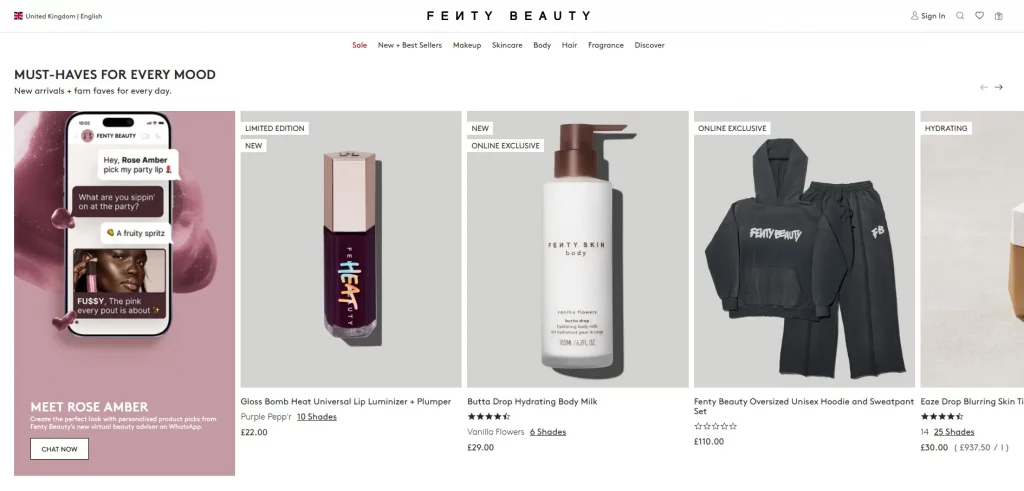
Skincare sits at the intersection of habit and identity. People use it daily, run out on a predictable schedule, and tend to stay loyal to products that work for them. Those traits make it one of the strongest candidates for repeat purchase among the best things to sell on Shopify.
Why it scores well: Benchmark compilations put online return rates for beauty and cosmetics in the low double digits at most, roughly 4% to 12%, far below apparel. Branding does a lot of the pricing work too: shoppers pay for formulation claims, packaging, and trust rather than comparing a single commodity price. Beauty is also well suited to subscriptions and refills.
The catch: Trust is expensive to earn. A new brand with no reviews faces skeptical buyers, and ingredient rules differ by market. Shopify notes that some beauty, cosmetics, and hair products are restricted in certain regions on its cross-border Managed Markets service, so check where you plan to ship before you lock in a formulation.
Best fit for: Sellers who can invest in photography, reviews, and content, and who are comfortable working with a manufacturer on formulation and labeling. Avoid medical-sounding claims such as “treats eczema,” which can run against Shopify’s rules on health claims.

2. Pet supplies
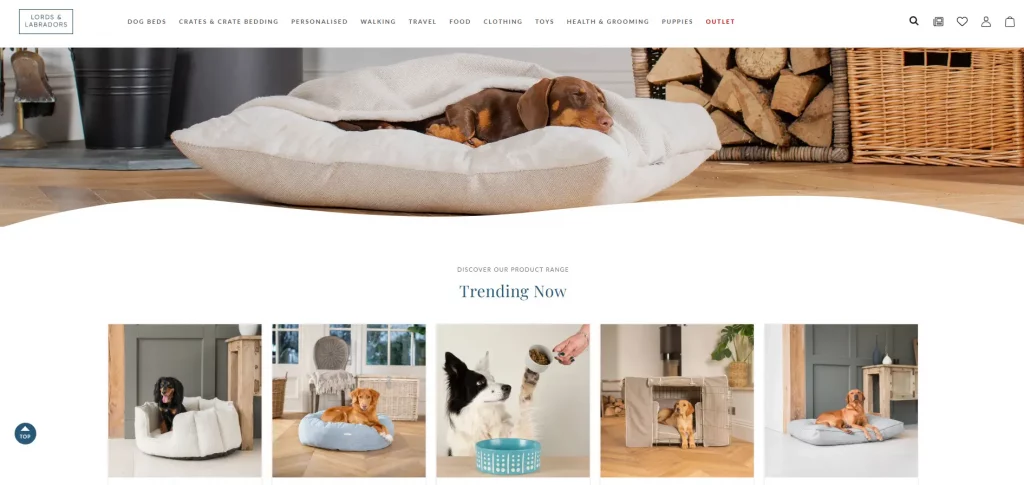
Pet is the category where the data is strongest. APPA reported that U.S. pet industry spending reached $158 billion in 2025, up 3.7% year over year, and projects $165 billion in 2026. Ninety-five million U.S. households own at least one pet, and dog ownership rose from 51% to 53% of households in 2025.
The segment most relevant to Shopify merchants is the one APPA groups as supplies, medications, and live animals: $34.4 billion in 2025, growing 4.4%. Services such as grooming and insurance grew faster, at 8%, but that segment is smaller and harder to serve online.
Why it scores well: Owners buy repeatedly, emotional attachment supports premium pricing, and niche positioning works well. A narrowly targeted brand, such as products for senior dogs or for cat owners in small apartments, can outperform a generic “pet store”.
The catch: Value-seeking is rising. APPA found 22% of owners spent less on their pets in 2025, a 10% increase from 2024, and spending shifted away from discretionary items toward essential care. A novelty chew toy is more vulnerable than a durable, useful product. Also note that Shopify’s Managed Markets restrictions list pet vitamins and supplements, so keep consumable health products out of your cross-border plans.
Best fit for: Sellers who can pick a specific audience (breed, life stage, living situation) and focus on durable, functional products rather than impulse novelties.

3. Jewelry and accessories
Jewelry is small, light, and priced on perceived value rather than material cost. Those are ideal conditions for margin headroom and cheap shipping, which is why it appears on nearly every list of products to sell on Shopify.
Why it scores well: Low weight keeps fulfillment costs down, and gifting occasions create predictable demand peaks. Customization, such as initials, birthstones, or engraving, lifts both price and perceived uniqueness.
The catch: Differentiation is hard. If your item looks like what a hundred other stores sell, you will compete on price, and you will lose to whoever has the cheapest supplier. Quality control also matters: tarnishing or skin reactions produce reviews and returns that damage a young brand quickly.
Best fit for: Sellers with a distinctive design point of view, a reliable maker or supplier, and the discipline to invest in product photography. Jewelry rewards brand storytelling more than almost any other category here.

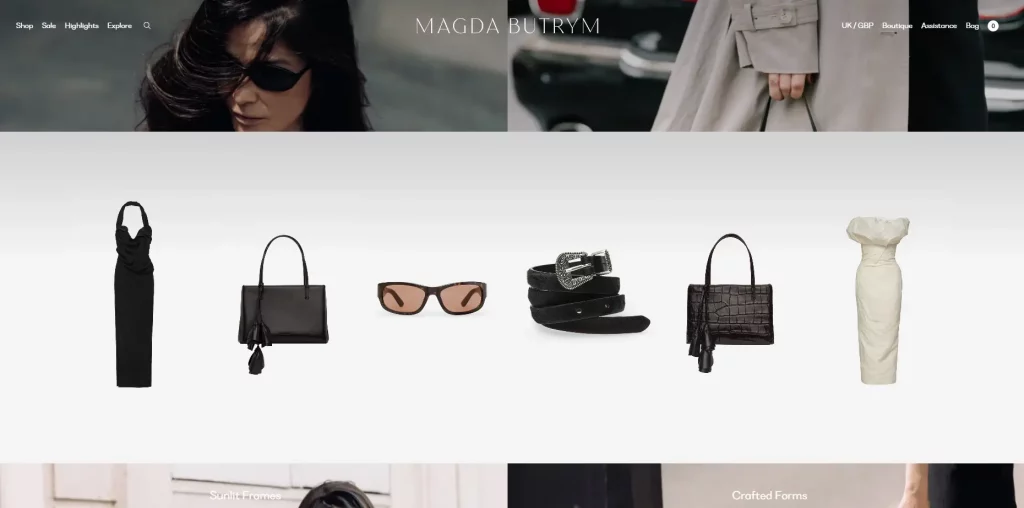
4. Activewear and apparel basics
Apparel is the largest ecommerce category and the most unforgiving. The demand is real, but so are the returns. The NRF puts the overall online return rate near 19.3%, and benchmark compilations place apparel at roughly 20% to 40%. Coresight Research measured online apparel returns at 24.4% in a 2023 study of U.S. brands. McKinsey attributed about 70% of apparel returns to fit or style problems in 2021 research.
Returns carry a hard cost. Industry estimates put the all-in cost of processing a single return, including shipping, labor, inspection, and restocking, at roughly $25 to $30. At a 25% return rate, that is about $6 to $7.50 of expected cost on every order you ship, before you count the lost resale value of damaged items.
Why it can still work: Strong brands in this space build loyalty and repeat purchases that outweigh the return burden. Basics (leggings, tees, hoodies) are easier to size than fashion-forward pieces, and consistent sizing across restocks reduces fit-related returns.
The catch: If you are new, apparel is a poor place to learn. Sizing charts, fit photos, and a clear returns policy are not optional extras; they are your margin.
Best fit for: Sellers who can control fit through their own design or a trusted manufacturer, and who are ready to invest in size guidance and customer service from day one.

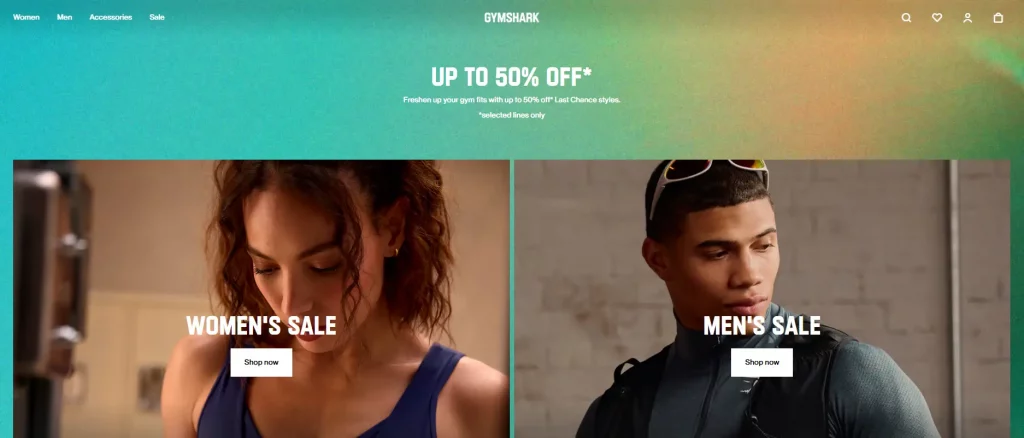
5. Home goods: candles, décor, and kitchen
Home products ride on lifestyle and gifting. Candles, textiles, and kitchen tools are often discussed together because they share a profile: modest price points, strong visual appeal, and steady demand around holidays.
Why it scores well: Visual products photograph well, which suits social-media-driven acquisition. Scents, colors, and collections encourage multi-item orders. Bundles, which you can cover in more depth in our guide to Shopify bundle products, raise average order value.
The catch: Weight and fragility increase shipping cost and breakage risk. Candles and glass items need protective packaging, and heavier items cut into margin on free-shipping offers. The category also attracts many sellers with similar products, so brand and design matter.
Best fit for: Sellers who can design a recognizable aesthetic and who are comfortable managing packaging and breakage, either themselves or through a fulfillment partner.

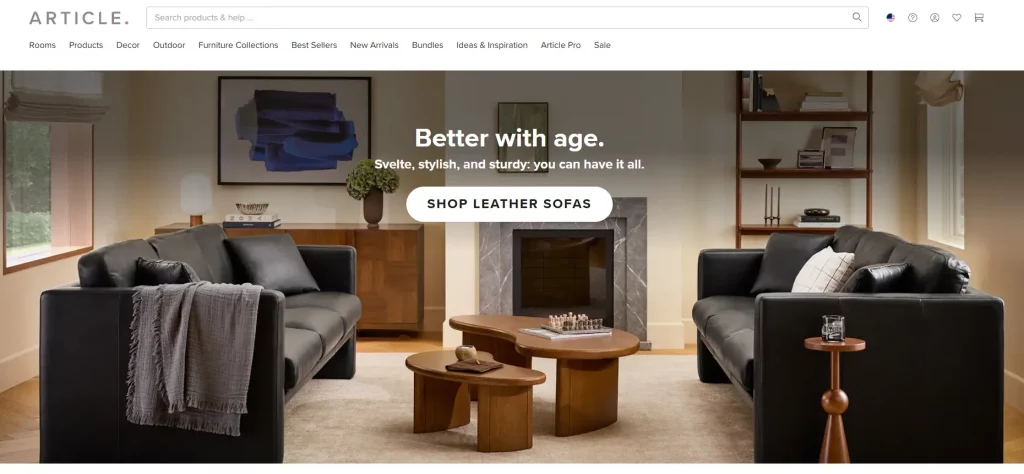
6. Personalized and print-on-demand products
Personalization turns a generic item into a gift. Mugs, journals, tote bags, apparel, and wall art can carry a name, a date, or a niche slogan, and print-on-demand (POD) lets you sell them without holding inventory. Suppliers such as Gelato and Merchize are commonly cited tools for this model.
Why it scores well: No upfront stock means low starting risk, and personalization supports gift-driven demand that is less price-sensitive than standard merchandise. You can also test many designs cheaply.
The catch: POD margins per unit are thinner than owned inventory, because the supplier takes a cut and you pay per-item production prices. Shipping times can be longer, and quality varies between suppliers. Since many sellers use the same blank products, your design and audience targeting are the only real moat.
Best fit for: Creators and niche community builders, such as people with a defined audience around a hobby, profession, or identity. Order a sample of every product before you sell it; photos hide quality problems.


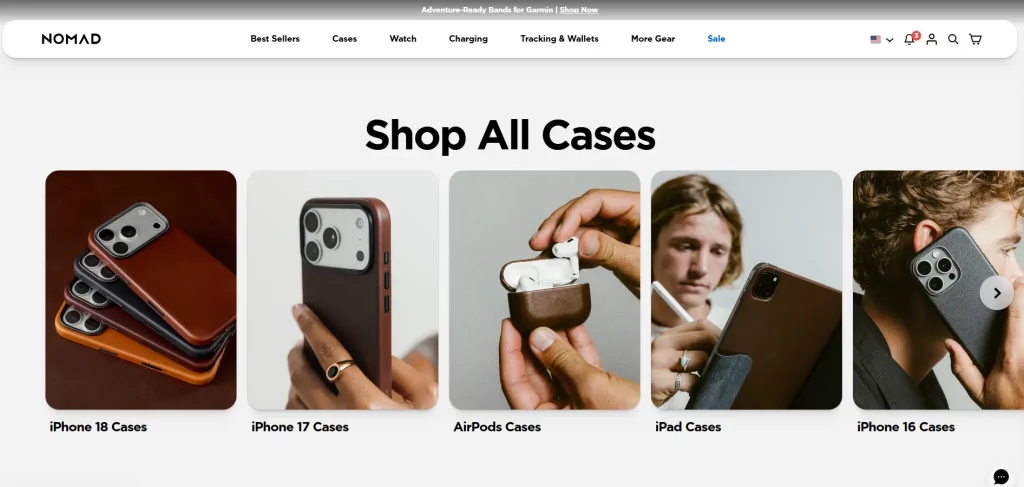
7. Phone and tech accessories
Cases, stands, cables, and similar accessories appear on almost every Shopify best selling products list. Demand is constant because people replace and upgrade phones frequently.
Why it scores well: Low price points make impulse purchases easy, and new device launches create predictable waves of demand.
The catch: This is the most commoditized category here. Margin headroom is thin unless you offer a distinctive design or a bundle. Repeat purchase is low outside of new-device cycles. And compliance can surprise you: Shopify’s Managed Markets restrictions currently list all batteries, which affects power banks and similar products if you use that service for cross-border sales.
Best fit for: Sellers with a design edge (artist collaborations, premium materials, niche device coverage) who treat accessories as a brand play rather than a price game.

5 steps to validate a product
A shortlist is not a decision. Use these steps to turn a category into a specific product.
- Define the customer first. Write one sentence: “This product helps [specific person] do [specific thing].” If you cannot, the product is too generic.
- Check demand over time, not just today. Use free tools such as Google Trends to see whether interest is steady, seasonal, or a one-time spike. A rising line that is only six weeks old is a warning, not an invitation.
- Study competitors on Shopify and beyond. Look at price points, review counts, and what customers complain about. Complaints are your opportunity: they show what existing products fail to deliver.
- Calculate landed cost and contribution margin. Include product cost, shipping, payment processing, returns, and an advertising estimate. If the numbers only work at perfect conversion, they do not work.
- Run a small test. Order samples, build a simple product page, and test with a modest ad budget or a pre-order. Real purchase behavior beats any trend report.
Conclusion
The best products to sell on Shopify are not the ones that top a viral list. They are the ones whose economics hold up after returns, shipping, and compliance, and that match your ability to build a brand around them. Pick one category, apply the four filters, run the five-step validation, and test small before you scale. When you are ready to build, explore our guides to Shopify SEO and Shopify bundle products to help your first product get found and earn more per order.
For Shopify stores looking for a professional invoice solution that’s easy to customize without any coding, Vify Shopify Order Printer app is worth considering. Try it for free and see how it fits your store’s needs.