Finding the best products for Shopify dropshipping takes more than following popular trends. A product may sell well but leave little profit once shipping costs, tariffs, returns, and advertising expenses are factored in. This guide explores six product types with stronger margin potential, evaluates them against these key costs, and highlights supplier tools for sourcing products. It also includes a 14-day validation plan to help assess demand and profitability before committing to a product.
What makes a product one of the best products for Shopify dropshipping?
A good dropshipping product is not the same as a good product. A premium sofa is a great product and a terrible dropshipping product because shipping, damage and returns eat the margin. Use these five filters to score any idea before you spend a dollar on ads.
1. Landed-cost headroom. Your selling price must cover the product, shipping, duties, payment fees, refunds and ads, with profit left over. If a product only supports a 25% gross margin, you are betting that nothing goes wrong.
2. Weight and size. Lightweight, compact products ship cheaper and break less. Guidance often quoted from Oberloo suggests cost under $20 and weight under 2 lbs as a comfortable zone for new dropshippers. Bulky or fragile items increase shipping costs, damage claims and returns.
3. Delivery path. Where the supplier ships from matters more than almost any marketing tactic. A product that arrives in 4 to 7 days from a US or EU warehouse converts and retains differently from one that takes three weeks from overseas.
4. Return and complaint risk. Sizing, fit, fragile glass, batteries and “does it really work?” claims all create refund requests. In dropshipping, you pay for the return shipping and sometimes lose the product entirely.
5. Repeat or add-on potential. Products that pair with other products, or that need replacing, let you spread the cost of acquiring a customer across more than one order.
Here is how the five filters work as a quick scorecard:
| Filter | Green flag | Red flag |
|---|---|---|
| Landed-cost headroom | 60%+ gross margin at a fair price | Price war on the same supplier listing |
| Weight and size | Under 2 lbs, compact | Bulky, awkward, oversized |
| Delivery path | Domestic or regional warehouse option | Only one long-haul supplier |
| Return risk | Few variants, one-size, no fit issues | Sizing, fragile, electronics with batteries |
| Repeat potential | Accessories, refills, bundles | One-off purchase, no add-ons |
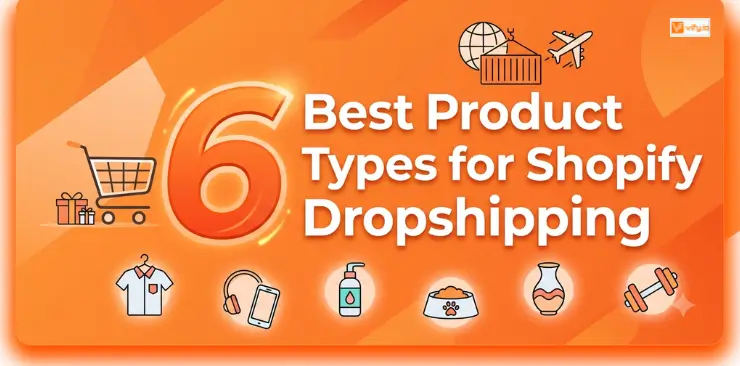
6 best products to dropship on Shopify
1. Pet accessories (non-consumable)
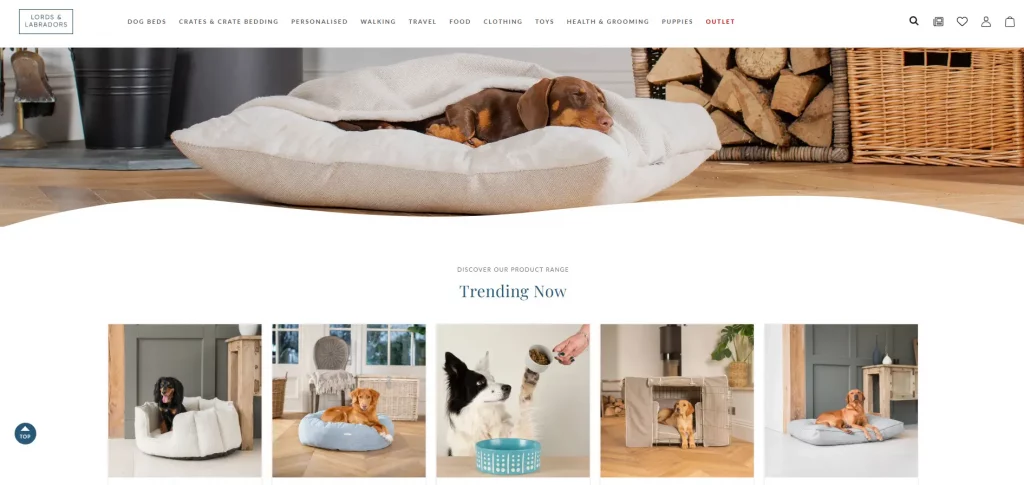
Pet owners spend on comfort, safety and convenience, and many pet problems (travel anxiety, mess, boredom) have clear product solutions. Non-consumable products such as pet car seat belts, grooming kits, bedding and toys are highlighted as high-growth ideas.
Why it fits dropshipping: Compact, low-weight accessories, strong visual demos for social video, and natural add-ons (a harness plus a leash plus a travel bowl).
Considerations: Pet food, treats, and supplements require extra attention to regulatory and safety requirements. Harnesses and collars may also lead to sizing-related returns, so products with clear size charts or adjustable fits are worth prioritizing.
Best supplier path: A broad AliExpress-sourced catalog for testing, or a US/EU supplier or Shopify Collective brand when you want faster delivery.
2. Home organization and small decor
Visual transformation sells. Organizers, small decor pieces and kitchen helpers photograph well, and buyers love sharing before-and-after results, which makes content-led marketing effective.
Why it fits dropshipping: Low technical complexity, wide price range, and plenty of bundle potential (a set of drawer organizers sells better than a single tray).
Considerations: Home goods can quietly become bulky. Keep to small, lightweight items and avoid glass, ceramics and anything that happens as a large flat-pack, because breakage and shipping costs wreck margins.
Best supplier path: Either a general sourcing app for variety or a regional supplier when breakage on long routes is a problem.
3. Wellness and home-fitness accessories
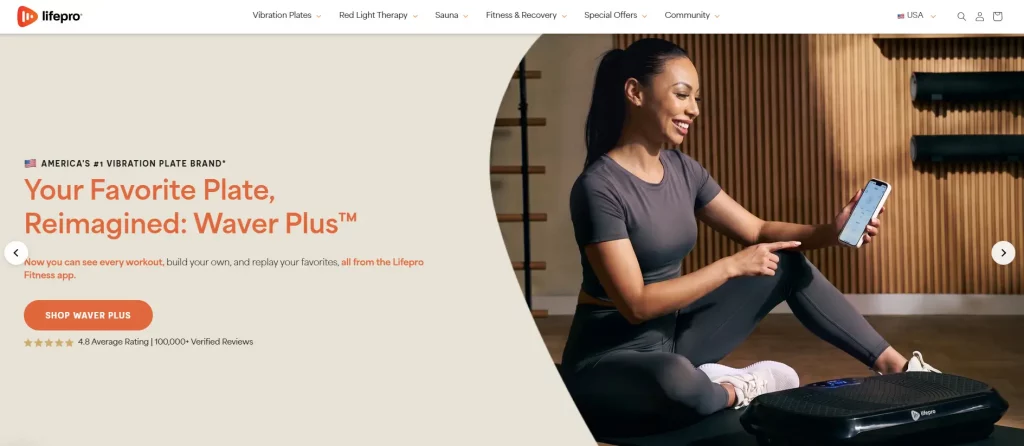
Health, fitness and stress-relief products are among the most frequently named categories. Resistance bands and fitness kits are called out specifically by Inventory Source as reliable home-fitness sellers, and several roundups group weighted or relaxation items under stress relief.
Why it fits dropshipping: Light, durable, and well suited to bundles (“starter kit”) that raise average order value.
Considerations: Avoid claims that a product can cure, treat, or relieve a medical condition. Positioning products clearly as accessories rather than regulated devices may help reduce regulatory risks. Resistance bands are also a competitive category, so a more distinctive offer, such as a bundled kit, guided workout program, or product line designed for a specific audience, can help a store stand out.
Best supplier path: General sourcing apps for accessories; consider samples from a regional supplier if your audience is impatient.
4. Phone and desk tech accessories
Magnetic phone mounts, car accessories, chargers and desk gadgets are practical impulse buys that are easy to demonstrate in a 10-second video. One roundup also lists portable mini projectors among higher-growth products.
Why it fits dropshipping: Constant demand, easy upsells (cable, case, mount), and clear problem-solution marketing.
Considerations: This is the type most exposed to returns and tariffs. Cheap electronics fail, buyers expect warranties, and tariffs can hit electronics hardest. Battery-powered items can also be restricted in air freight. Order samples, test battery life, and only list products with a supplier who replaces defects.
Best supplier path: A supplier with its own quality control and a regional warehouse, rather than a random marketplace listing.
5. Beauty and grooming tools
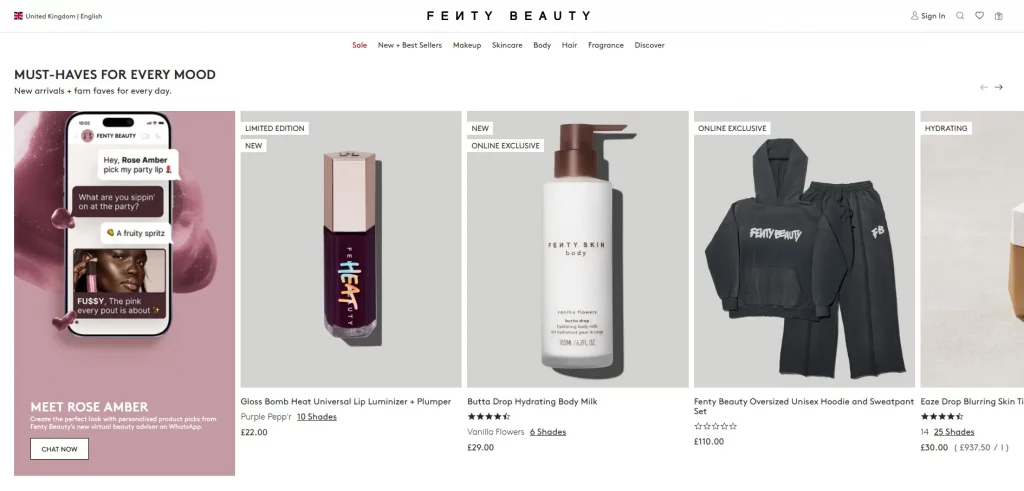
Consumers are willing to pay for beauty and self-care, and Zendrop notes that buyers in this space accept higher prices, which supports healthier markups. Think tools and accessories (hair accessories, facial tools, grooming kits), not formulations.
Why it fits dropshipping: Strong repeat and gifting potential, good margins on small items, and highly visual content.
Considerations: Skincare and cosmetic formulas are regulated and carry real liability if someone has a reaction. Sell tools and accessories, and be wary of anything applied to skin or ingested unless you fully understand the rules in your market.
Best supplier path: Either general sourcing or a vetted regional supplier for anything that touches skin.
6. Personalized and print-on-demand products
Custom products solve dropshipping’s biggest weakness: sameness. When no one else sells your design, you cannot be undercut on the identical supplier listing.
Why it fits dropshipping: No inventory risk at all, and strong gift appeal. Printful, one of the best-known print-on-demand apps, has a 4.8-star rating from about 3,900 reviews on the Shopify App Store and is free to install, with no upfront costs.
Considerations: Per-unit margins are modest, and your real work is design and audience selection, not product sourcing. A generic design in a crowded niche will not stand out.
Best supplier path: A print-on-demand app, matched to a specific community (hobby, profession, hometown) rather than a mass-market slogan.
Hot products for dropshipping: How to spot a trend
“Hot products for dropshipping” is a seductive phrase, and a risky one. Hot products can draw traffic and ride free attention, as several roundups note. But a product that spikes for six weeks and then collapses leaves you with ad spend, refunds and a store full of dead listings.
Before you chase anything “hot”, check four signals:
- Are multiple independent advertisers still running it after 60 days? Use the Meta Ad Library to see how long ads for similar products have been live. Longevity suggests sustainable profitability; a flood of brand-new advertisers suggests a fad.
- Is search interest steady or spiking? Use Google Trends to compare the last 12 months. A single vertical spike is a warning.
- Is supplier cost stable? Sudden price rises or stockouts signal a crowded or fragile supply chain.
- What do the 3-star reviews say? Complaints about quality tell you whether you can fix the problem with a better supplier or product variation.
If a product passes these, it is no longer “hot”, it is proven, and that is what you want to build on for the best things to sell on Shopify dropshipping.
Conclusion
The best products for Shopify dropshipping are not the ones that look most viral. They are the ones that clear your scorecard: enough landed-cost headroom, light and low-risk to ship, reachable by a fast delivery path, unlikely to be returned, and able to earn more than one order from the same customer.
For Shopify stores looking for a professional invoice solution that’s easy to customize without any coding, Vify Shopify Order Printer app is worth considering. Try it for free and see how it fits your store’s needs.